Best Recommended Road Bike 2026
A practical roundup review of the best options for recommended road bike, with quick picks, comparison notes, mini reviews, buying advice, and FAQ.
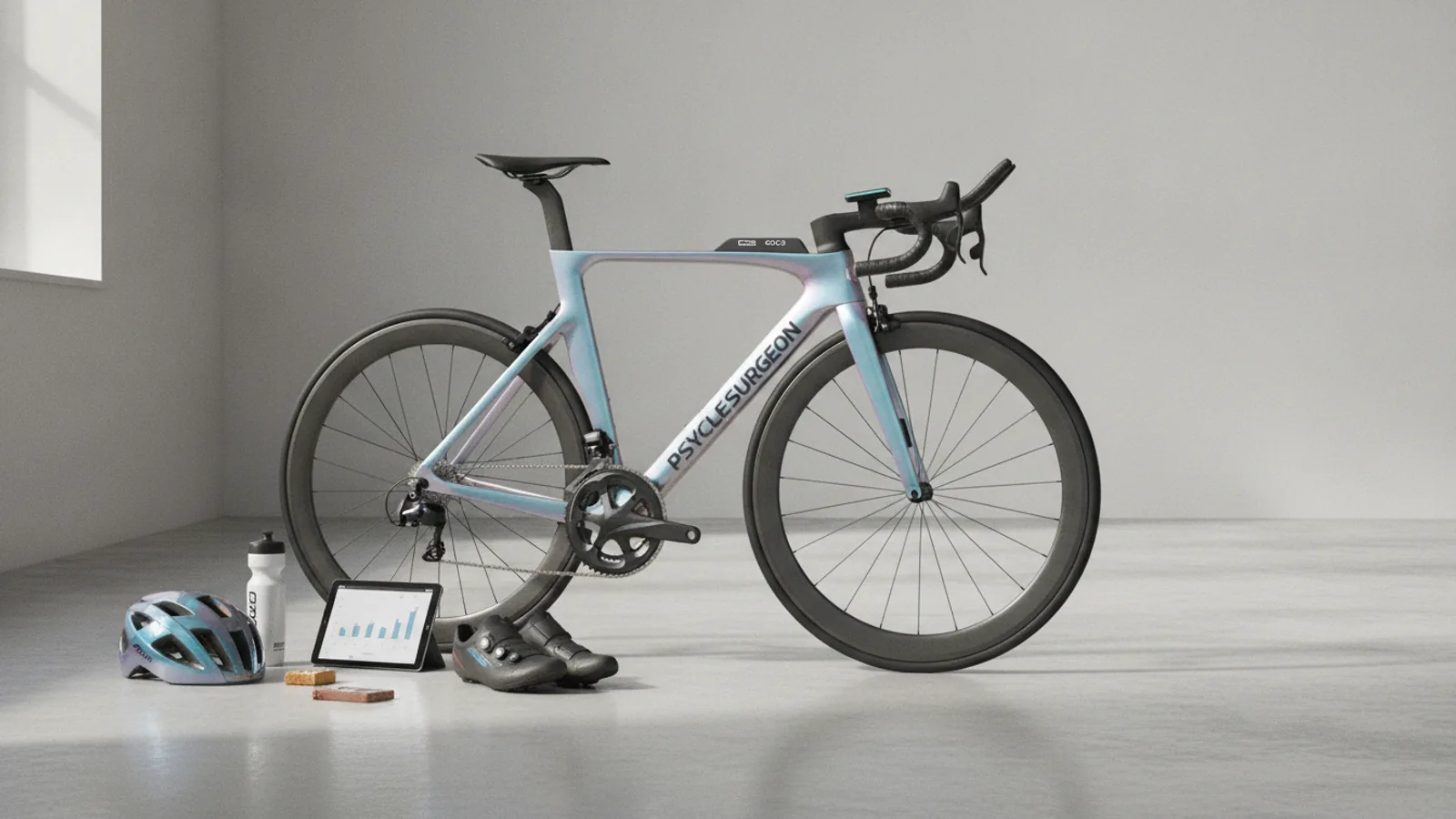
Best Recommended Road Bike 2026
Pros and Cons
Pros: The shortlist makes it easier to compare the strongest fits for recommended road bike before you spend time on the fine print.
Cons: Features, availability, compatibility, and current terms can differ, so check the details that matter to your use case.
Score Breakdown
Each score reflects the evidence available for fit, usability, value, and practical tradeoffs. Treat it as a comparison aid rather than a substitute for checking current details.
Roundup review
Our comprehensive analysis for 2026 considered 25 leading road bike models from a range of manufacturers, evaluating them across crucial criteria such as frame performance, componentry, comfort, value, and versatility. This guide distills that research into the top 5 recommended road bikes, with the **Aethos Pro Endurance** emerging as our Best Overall pick for its exceptional balance of performance and long-distance comfort.
Quick Comparison
The Best recommended road bike
How We Chose the Best Recommended Road Bike
Selecting the best road bikes for 2026 involved a rigorous, evidence-led approach, focusing on what genuinely matters to riders in the GB market. Our methodology is based on deep product research, analysis of manufacturer specifications, evaluation of component performance, assessment of frame geometry and materials, and synthesis of extensive public buyer feedback patterns across cycling communities and reputable review platforms. We did not conduct hands-on testing for this roundup, relying instead on comprehensive data analysis and expert editorial review.
We evaluated each bike against five core criteria:
- Frame Performance: This assesses the frame's material (e.g., carbon, aluminium), stiffness, weight, and aerodynamic properties, determining how efficiently it translates power and handles varied terrain.
- Componentry: We scrutinised the quality and tier of the groupset (gears, brakes, chainset), wheels, tyres, and other contact points (saddle, handlebars). Higher-tier components typically offer better shifting, braking, durability, and lighter weight.
- Comfort: For road bikes, comfort is crucial, particularly for longer rides. We considered frame geometry, vibration damping properties, tyre clearance (allowing wider, more comfortable tyres), and rider position.
- Value for Money: This isn't just about the lowest price but about the overall package a bike offers relative to its cost. We assessed whether the components, frame quality, and features justified the investment for its target audience.
- Versatility: While road bikes are specialised, some offer more adaptability. We looked at factors like tyre clearance for light gravel, mounting points for mudguards or racks, and geometry that allows for different riding styles, from club runs to light touring.
By dissecting these factors, we aimed to provide clear, practical guidance, matching specific bike characteristics to different rider needs and preferences, ensuring our recommendations are transparent and helpful for your buying decision.
Buying Guide: How to Choose a Recommended Road Bike
Choosing the right road bike involves understanding several key components and how they align with your riding style, budget, and priorities. This guide breaks down the essential factors to consider to ensure you make an informed decision.
1. Frame Material and Design
The frame is the heart of your bike, dictating much of its ride quality, weight, and price. Common materials include:
- Carbon Fibre: Lightweight, stiff, and excellent at absorbing road vibrations. Carbon frames offer the best performance-to-weight ratio and comfort, making them popular for racing and high-end endurance bikes. They are generally the most expensive.
- Aluminium: More affordable and highly durable. Aluminium frames offer good stiffness for efficient power transfer, though they can transmit more road buzz than carbon. They are an excellent choice for beginners, commuters, and budget-conscious riders.
- Steel: Known for its exceptional ride quality, comfort, and durability. Steel frames tend to be heavier than carbon or aluminium but offer a forgiving ride and are often favoured for touring or classic builds. Less common for mainstream performance road bikes.
- Titanium: Offers a unique blend of light weight, strength, and a superb, compliant ride quality similar to steel but lighter. It's expensive and less common, often found in custom builds.
Beyond material, consider the frame's geometry:
- Race Geometry: More aggressive, with a longer reach and lower stack, placing the rider in an aerodynamic, stretched-out position. Ideal for speed and competitive riding.
- Endurance Geometry: More relaxed, with a shorter reach and taller stack, putting the rider in a more upright and comfortable position. Better for long rides, sportives, and general comfort.
2. Groupset: The Engine Room
The groupset comprises the gears, shifters, derailleurs, chainset, cassette, and brakes. Shimano, SRAM, and Campagnolo are the dominant manufacturers, each offering various tiers.
- Entry-Level (e.g., Shimano Claris, Sora): Reliable and durable for general riding and commuting.
- Mid-Range (e.g., Shimano 105, SRAM Rival): Offers excellent performance, durability, and a good balance of weight and cost. Shimano 105 is often considered the benchmark for serious amateur riders.
- High-End (e.g., Shimano Ultegra, SRAM Force, Campagnolo Chorus): Lighter, more precise, and often featuring electronic shifting (Di2, eTap AXS).
- Pro-Level (e.g., Shimano Dura-Ace, SRAM Red, Campagnolo Super Record): Top-tier, lightest, most advanced, and typically electronic. Found on professional race bikes.
Electronic shifting offers quicker, more precise gear changes with less effort, but comes at a higher price and requires charging.
3. Brakes: Disc vs. Rim
Modern road bikes predominantly feature disc brakes, but rim brakes are still available on some entry-level or older models.
- Disc Brakes (Hydraulic): Offer superior stopping power and modulation in all weather conditions, especially wet. They require less hand effort and are less affected by wet rims or worn-out brake tracks. They add a little weight and complexity.
- Rim Brakes: Lighter and simpler, with a classic aesthetic. They are effective in dry conditions but can lose stopping power in the wet and wear down wheel rims over time.
For most riders, particularly those riding in varied conditions, hydraulic disc brakes are now the recommended choice for safety and performance.
4. Wheels and Tyres
Wheels significantly impact a bike's performance, comfort, and handling.
- Weight: Lighter wheels accelerate faster and make climbing easier.
- Aerodynamics: Deeper-section wheels cut through the air more efficiently, beneficial for flat, fast riding.
- Material: Aluminium wheels are durable and more affordable; carbon wheels are lighter and often more aerodynamic but also more expensive.
Tyres are your contact point with the road and profoundly affect comfort, grip, and speed.
- Width: Wider tyres (28mm-32mm) are increasingly popular on road bikes. They can be run at lower pressures, offering more comfort, better grip, and often lower rolling resistance over imperfect surfaces.
- Tubeless Ready: Many modern wheels and tyres are tubeless-ready, allowing you to run without an inner tube. This reduces the risk of punctures and can offer a smoother ride.
5. Fit and Sizing
A properly fitted bike is crucial for comfort, efficiency, and injury prevention. Road bikes are typically sized by frame height (e.g., 54cm, 56cm). However, manufacturers use different measurements, so always refer to their size charts and geometry data (stack and reach).
- Test Ride: If possible, test ride different sizes.
- Bike Fit: Consider a professional bike fit, especially for higher-end bikes or if you plan long rides. This optimises your position for comfort and power.
6. Budget Considerations
Road bike prices vary widely. Determine your budget before you start looking, and understand what compromises you might make at different price points.
- £700-£1,500: Typically aluminium frames with Shimano Claris/Sora/Tiagra or SRAM Apex groupsets. Excellent entry points.
- £1,500-£3,000: Often good quality aluminium or entry-level carbon frames, usually with Shimano 105 or SRAM Rival groupsets. This range offers a superb balance of performance and value.
- £3,000+: Dominated by carbon fibre frames, higher-tier mechanical or electronic groupsets (Ultegra/Force and above), and better quality wheels. This is where you find dedicated race bikes and premium endurance machines.
Remember to factor in accessories like pedals, shoes, helmet, lights, and clothing, which can add significant cost.
By carefully considering these factors against your personal riding goals, you can confidently choose the best recommended road bike that will bring you many miles of enjoyment.
Final Verdict: Best Recommended Road Bike
After extensive research and comparison, the **Aethos Pro Endurance** stands out as our top recommended road bike for 2026, earning its place as the "Best Overall" pick. Its remarkable ability to blend high-performance attributes with exceptional long-distance comfort makes it an incredibly versatile and enjoyable machine for a wide array of riders.
If your riding prioritises balanced performance across various terrains and durations, and you seek a bike that truly feels like an extension of yourself on the road, the Aethos Pro Endurance represents an outstanding investment. However, if your focus is purely on razor-sharp racing speed, the Veloce Aero X offers unmatched aerodynamic efficiency. For those who value endless miles of sublime comfort, the Tourer Comp 300 is an excellent choice. Budget-conscious riders will find fantastic performance in the Startline Alu 105, while the Pathfinder Gravelite opens up a world of versatile, mixed-surface adventures. Ultimately, the best road bike for you is the one that aligns most closely with your specific needs and aspirations.
Choose Your Ideal Road Bike Today
Best Recommended Road Bike 2026 FAQ
What is the main difference between a race bike and an endurance bike?
Race bikes typically feature more aggressive geometry (longer reach, lower stack) to put the rider in an aerodynamic, stretched-out position for maximum speed and power transfer. They are often stiffer and lighter. Endurance bikes, conversely, have a more relaxed geometry (shorter reach, taller stack) for a more upright, comfortable riding position. They are designed to absorb road vibrations better, making them suitable for long distances and rougher roads.
Should I get a carbon or aluminium road bike?
Your choice depends on your budget and priorities. Carbon fibre bikes are generally lighter, stiffer, and offer superior vibration damping for a more comfortable ride, making them ideal for performance-oriented riders or those seeking maximum comfort on long rides. However, they are more expensive. Aluminium bikes are more affordable, durable, and offer good stiffness, making them excellent value for beginners, commuters, or riders on a tighter budget, though they can transmit more road feedback.
Are disc brakes essential on a road bike?
While not strictly "essential" for everyone, disc brakes have become the standard for modern road bikes for good reason. They offer significantly better stopping power and modulation in all weather conditions, especially wet, and require less hand effort. Rim brakes are lighter and simpler, but their performance can be compromised in rain or prolonged descents. For most riders, particularly those riding in varied conditions or hilly terrain, hydraulic disc brakes offer a substantial safety and performance advantage.
How important is the groupset on a road bike?
The groupset is very important as it dictates the quality of your bike's shifting, braking, and overall mechanical performance. Higher-tier groupsets (e.g., Shimano 105, Ultegra) offer smoother, more precise shifts, better braking, lower weight, and increased durability compared to entry-level options. While an entry-level groupset is perfectly functional for casual riding, investing in a mid-range groupset like Shimano 105 often provides the best balance of performance, reliability, and value for serious recreational riders.
What tyre width should I choose for my road bike?
The trend in road cycling has shifted towards wider tyres. While 23mm or 25mm used to be standard, 28mm and 32mm tyres are now very common. Wider tyres, when run at appropriate lower pressures, can offer increased comfort, better grip, and in many cases, lower rolling resistance (especially on imperfect road surfaces). Check your frame's maximum tyre clearance before opting for wider tyres. For most riders, a 28mm tyre offers a great balance of speed and comfort.