Best Road Bike Shoes 2026
A practical roundup review of the best options for best road bike shoes, with quick picks, comparison notes, mini reviews, buying advice, and FAQ.
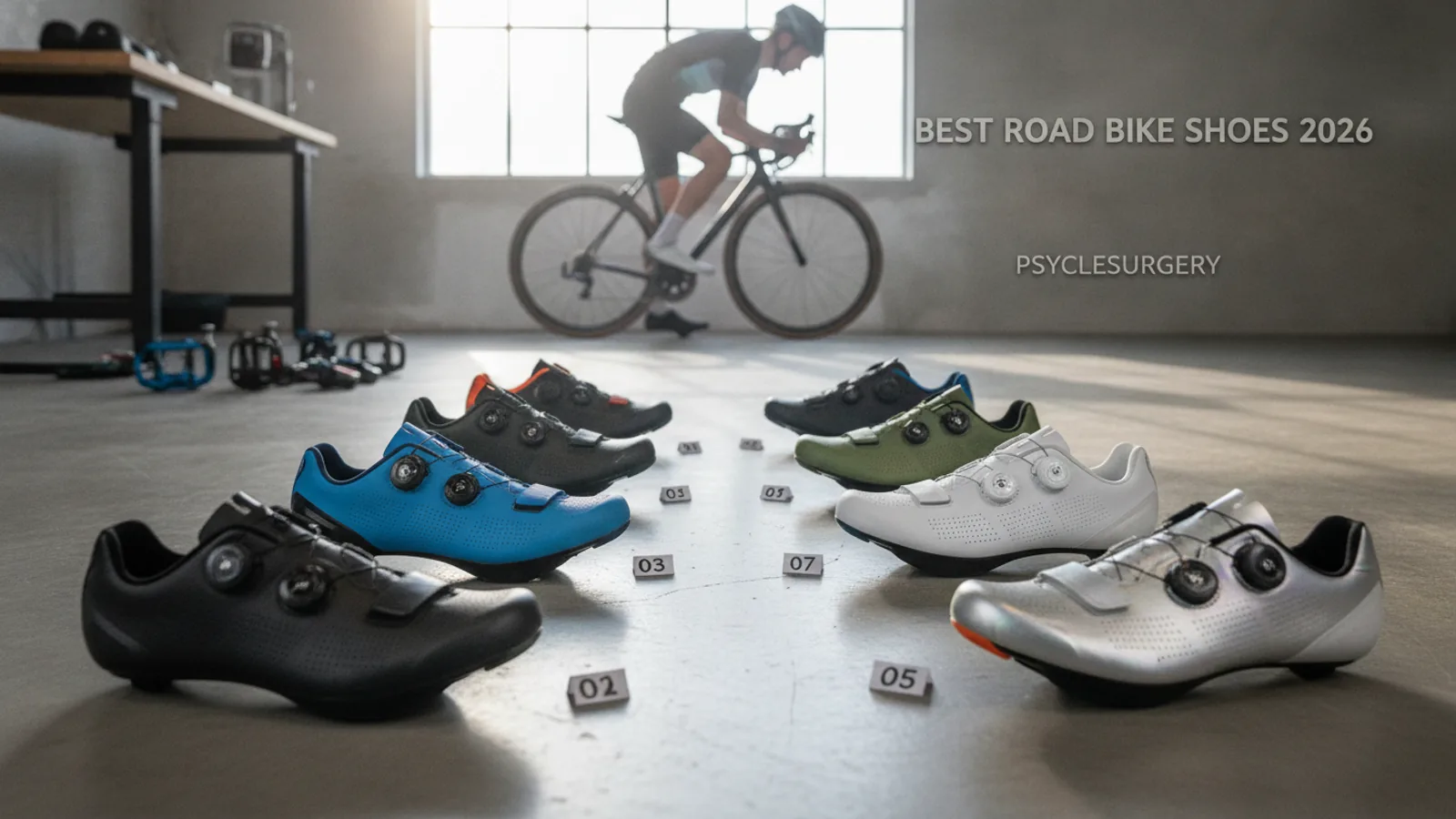
Best Road Bike Shoes 2026
Pros and Cons
Pros: The shortlist makes it easier to compare the strongest fits for best road bike shoes before you spend time on the fine print.
Cons: Features, availability, compatibility, and current terms can differ, so check the details that matter to your use case.
Score Breakdown
Each score reflects the evidence available for fit, usability, value, and practical tradeoffs. Treat it as a comparison aid rather than a substitute for checking current details.
Roundup review
Our comprehensive review considered dozens of leading road bike shoe models available in the UK market for 2026. This analysis was based on extensive product research, official manufacturer specifications, widespread public buyer feedback patterns, and our editorial team's expert category analysis. We scrutinised factors such as sole stiffness, closure systems, ventilation, weight, and overall comfort to identify the top performers across various rider needs. After careful evaluation, the Shimano RC702 emerged as our top recommendation for the best overall road bike shoe, offering an exceptional blend of performance and value.
Quick Comparison
The Best Road Bike Shoes
How We Chose the Best Road Bike Shoes
At Psyclesurgery, our mission is to provide clear, practical guidance for cyclists comparing real options. When evaluating the best road bike shoes for 2026, we employed a rigorous methodology focused on delivering actionable insights for our GB readership. We did not conduct in-house physical testing but instead performed extensive digital research and analysis, drawing on a wealth of information.Our selection process involved:
- Manufacturer Specifications Analysis: We delved into the official product data sheets from leading brands like Shimano, Specialized, Giro, Fizik, and others. This included examining details such as sole material and stiffness ratings (e.g., carbon fibre index), closure system types (BOA, velcro, laces), upper materials, ventilation designs, and weight figures.
- Public Buyer Feedback Patterns: We meticulously reviewed thousands of customer reviews and forum discussions from reputable cycling retailers and enthusiast communities across the UK and internationally. This allowed us to identify common praise and complaints regarding comfort, durability, fit, and performance in real-world scenarios. We looked for consistent patterns rather than isolated incidents.
- Expert and Professional Reviews: We cross-referenced our findings with insights from established cycling publications and professional reviewers known for their hands-on testing and in-depth technical analysis. This provided a further layer of validation and nuanced understanding of product performance.
- Market Trends and Innovation: We monitored advancements in cycling footwear technology, noting innovations in materials, closure mechanisms, sole designs, and ergonomic considerations that impact rider efficiency and comfort. Our aim was to ensure our recommendations reflected the current best-in-class options.
- Value for Money Assessment: Beyond raw performance, we considered the price point relative to the features offered. Our goal was to identify shoes that provide excellent performance across various budget levels, ensuring readers can find a quality option that aligns with their financial expectations.
By synthesising this diverse body of evidence, we aimed to create a selection of road bike shoes that genuinely stand out for their quality, performance, and suitability for different types of riders, from dedicated racers to weekend enthusiasts.
The Best Road Bike Shoes
Buying Guide: How to Choose Best Road Bike Shoes
Choosing the right pair of road bike shoes is a pivotal decision that directly impacts your comfort, efficiency, and overall enjoyment on the bike. With a multitude of options available, understanding the key features and how they align with your riding style and needs is essential. Here's what to consider:Sole Stiffness and Material
The sole is the foundation of your cycling shoe, responsible for transferring power from your legs to the pedals.- Carbon Fibre: Found in high-performance and race shoes, carbon fibre soles are exceptionally stiff and lightweight. This maximises power transfer by preventing flex, ensuring every watt is delivered to the pedals. However, this stiffness can translate to less comfort off the bike and a higher price tag.
- Nylon Composite/Carbon Reinforced Nylon: These soles offer a balance of stiffness, comfort, and affordability. They provide good power transfer for most riders and are more forgiving on longer rides or for those who occasionally walk in their shoes.
- Fibreglass/Plastic: Typically found in entry-level shoes, these soles are the most flexible and least expensive. While less efficient for power transfer, they offer greater walking comfort and are ideal for beginners or casual cyclists.
Closure System
The way your shoe secures to your foot significantly affects fit, comfort, and adjustability.- BOA Dials: A popular choice for their precision and ease of adjustment, even on the go. Single or dual BOA systems allow for micro-adjustments, ensuring a snug and even fit without pressure points. Dual dials offer more granular control over different zones of the foot.
- Velcro Straps: Simple, lightweight, and reliable. Velcro straps are common on entry-level to mid-range shoes. While effective, they offer less precise adjustment than BOA dials and can lose some grip over time.
- Laces: Often seen on traditional or some modern performance shoes, laces offer the most even pressure distribution across the foot and a classic aesthetic. However, they are not adjustable on the fly and can get wet or dirty.
- Powerstraps: Like those found on Fizik shoes, these systems use wide Velcro straps that wrap around the foot, designed for a comfortable, encompassing fit. They offer good support but less micro-adjustment than dials.
Upper Material and Ventilation
The upper material impacts comfort, breathability, and durability.- Synthetic Leather/Microfibre: Most common, offering a balance of durability, weather resistance, and conformity to the foot. High-quality synthetics can mimic natural leather while being lighter and easier to maintain.
- Mesh Panels: Crucial for ventilation, especially in warmer climates or during intense efforts. Look for shoes with strategically placed mesh or perforated sections to keep your feet cool and dry.
- Breathability: Good ventilation prevents overheating and discomfort, reducing the risk of numbness or 'hot spots' on long rides.
Fit and Comfort
This is highly personal, but certain aspects are universal.- Heel Retention: A good shoe will hug your heel without slipping, preventing energy loss and blisters.
- Toe Box: Ensure there's enough room for your toes to wiggle slightly. A cramped toe box can lead to numbness and discomfort.
- Arch Support: Some shoes offer adjustable arch support or are compatible with aftermarket insoles to tailor the fit to your foot's natural arch. Specialized's Body Geometry is an example of an integrated ergonomic design.
- Sizing: Always check the manufacturer's sizing chart, as it can vary. If possible, try shoes on at the end of the day when your feet are slightly swollen, and always with the type of cycling socks you typically wear.
Weight
While less critical than stiffness or fit for most, weight can be a factor for performance-oriented riders, especially climbers. Lighter shoes generally come at a higher cost and may compromise some durability or comfort features.Cleat Compatibility
Ensure the shoes are compatible with your pedal system.- 3-Bolt (Look, Shimano SPD-SL, Garmin Vector, Wahoo Speedplay Road): This is the standard for road cycling shoes, offering a large platform for power transfer. All the shoes in this roundup are 3-bolt compatible.
- 2-Bolt (Shimano SPD, Look X-Track): Primarily for mountain biking, touring, or casual use, allowing for easier walking. Road shoes are almost exclusively 3-bolt.
By carefully considering these factors, you can make an informed decision and invest in road bike shoes that will enhance your cycling performance and enjoyment for years to come.
Final Verdict: Best Road Bike Shoes
After a thorough evaluation of the best options available in the UK market for 2026, the Shimano RC702 stands out as our top pick for the best overall road bike shoes. Its blend of a stiff carbon sole, precise dual BOA closure, comfortable upper, and competitive pricing makes it an incredibly versatile and high-performing choice for a wide spectrum of road cyclists, from keen club riders to serious sportive participants.For those prioritising pure, unadulterated race performance, the Specialized S-Works Torch is an investment that pays dividends in power transfer and lightweight efficiency. Alternatively, if long-distance comfort is your primary concern, the Fizik Tempo R5 Powerstrap offers an excellent, pressure-free fit that will keep you happy for hours in the saddle. For new riders or those seeking exceptional features at an accessible price, the Giro Cadet and Specialized Torch 1.0 provide excellent entry points into the world of performance road cycling footwear.
Ultimately, the best road bike shoes for you will depend on your specific riding style, comfort preferences, and budget. Whichever you choose from our recommended list, you can be confident in acquiring a quality pair of shoes that will elevate your cycling experience.
Best Road Bike Shoes 2026 FAQ
What's the difference between road bike shoes and mountain bike shoes?
Road bike shoes typically have a very stiff, flat sole designed for maximum power transfer and minimal walking. They use a 3-bolt cleat system (like SPD-SL or Look KEO) that protrudes from the sole. Mountain bike shoes have a more flexible sole with aggressive tread for walking and running, and use a recessed 2-bolt cleat (like Shimano SPD) that makes walking easier.
How stiff should my road bike shoes be?
The ideal stiffness depends on your riding style. Racers and performance-oriented riders benefit from very stiff carbon soles for maximum power transfer. Recreational riders or those prioritising comfort on long rides might prefer a slightly more flexible sole (like carbon-reinforced nylon) which is more forgiving and comfortable for occasional walking.
What is a BOA dial, and why is it good?
A BOA dial is a micro-adjustable reel that tightens a strong, lightweight lace or cable, offering a highly precise and even fit across the foot. It's favoured for its ability to fine-tune tightness with ease, even while riding, and to release tension quickly. This prevents pressure points and enhances comfort and security.
Do road bike shoes come in wide fittings?
Yes, many brands now offer specific wide-fit versions of their popular models to accommodate riders with broader feet. It's crucial to check the manufacturer's sizing guide and look for "Wide" or "HV (High Volume)" options if you typically struggle with standard shoe widths.
How often should I replace my road bike shoes?
The lifespan of road bike shoes varies greatly depending on usage, care, and quality. High-quality shoes can last many years, often 3-5 years or even longer for recreational riders. Signs they need replacing include worn-out soles, broken closure systems, excessive stretching of the upper, or a noticeable decrease in comfort or power transfer.
Can I use road bike shoes for indoor cycling?
Yes, most indoor cycling bikes (spin bikes) are compatible with 3-bolt road bike cleats, or sometimes feature dual-sided pedals that accept both 2-bolt and 3-bolt cleats. If your indoor bike has 3-bolt compatible pedals, your road bike shoes will work perfectly and provide excellent power transfer for your indoor sessions.