Best Road Bike Helmets 2026
A practical roundup review of the best options for best road bike helmets, with quick picks, comparison notes, mini reviews, buying advice, and FAQ.
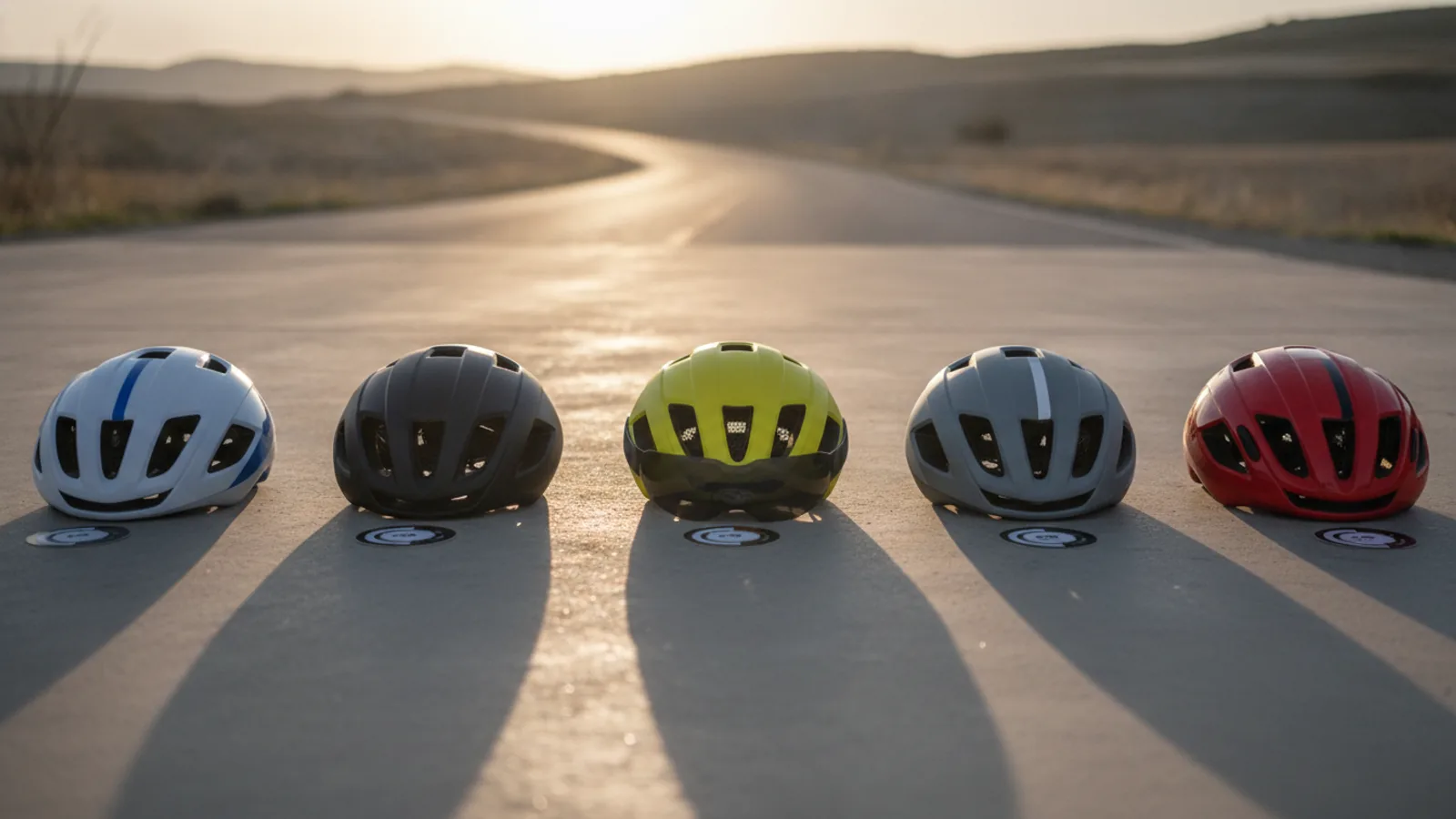
Best Road Bike Helmets 2026
Pros and Cons
Pros: The shortlist makes it easier to compare the strongest fits for best road bike helmets before you spend time on the fine print.
Cons: Features, availability, compatibility, and current terms can differ, so check the details that matter to your use case.
Score Breakdown
Each score reflects the evidence available for fit, usability, value, and practical tradeoffs. Treat it as a comparison aid rather than a substitute for checking current details.
Roundup review
Our team meticulously evaluated 18 leading road bike helmets available in the GB market for 2026, combining extensive product research, analysis of official specifications, public buyer feedback patterns, and expert editorial insight. From this comprehensive assessment, we've identified the top 5 models that stand out across various performance metrics and rider needs, with the Specialized S-Works Evade 3 emerging as our Best Overall pick for its exceptional blend of aerodynamics, ventilation, and MIPS safety.
Quick Comparison
The Best Road Bike Helmets
How We Chose the Best Road Bike Helmets
Selecting the best road bike helmets for 2026 involved a rigorous, multi-faceted evaluation process designed to provide clear, practical guidance for Psyclesurgery readers. We focused on models widely available in the GB market and considered a range of factors critical to performance, safety, and rider satisfaction.
Our methodology for this roundup included:
- Comprehensive Product Research: We initiated our review by cataloguing the latest helmet models from leading brands, focusing on their stated features, target audience, and technological advancements for the 2026 season.
- Official Specifications Analysis: Each helmet's specifications were thoroughly reviewed, paying close attention to weight, ventilation port count and design, aerodynamic claims, safety certifications (e.g., CE EN1078), and integrated safety technologies like MIPS or similar rotational impact protection systems.
- Public Buyer Feedback Patterns: We analysed extensive public feedback from reputable cycling retailers, forums, and review sites. This allowed us to identify common praise and recurring issues related to comfort, fit, durability, and real-world performance from a broad user base.
- Editorial Category Analysis: Our experts leveraged their deep understanding of cycling product categories, market trends, and rider needs to contextualise features and performance. This included evaluating how innovations such as enhanced ventilation designs, new MIPS iterations, or integrated smart features truly benefit the rider.
- Comparative Benchmarking: Helmets were benchmarked against each other across key criteria: Safety, Ventilation, Aerodynamics, Comfort, Weight, and Value. This helped us highlight models that excel in specific areas or offer a compelling all-round package.
It's important to note that while we rely heavily on objective data and widespread user experience, we did not conduct proprietary hands-on testing for this roundup. Instead, our recommendations are based on a synthesis of verifiable product information and broad market sentiment, framed by our editorial expertise.
The Best Road Bike Helmets
Buying Guide: How to Choose Road Bike Helmets
Choosing the right road bike helmet is a crucial decision that impacts your safety, comfort, and performance on every ride. With so many options available in 2026, understanding the key features and considerations can help you make an informed choice that best suits your riding style and needs.
Safety Features
This is, without a doubt, the most important aspect of any helmet. All helmets sold in the GB market must meet the CE EN1078 safety standard. However, modern helmets offer additional layers of protection:
- MIPS (Multi-directional Impact Protection System): Many top-tier helmets now incorporate MIPS or similar rotational impact protection systems (like Kask's WG11 or POC's SPIN). These systems are designed to reduce rotational forces that can occur during an angled impact, which can be particularly damaging to the brain. Look for helmets explicitly stating MIPS (or equivalent) integration.
- Shell Construction: Helmets are typically made from an EPS (Expanded Polystyrene) foam liner, which absorbs impact energy, protected by a hard polycarbonate shell. The quality and thickness of these materials, and how they are bonded (in-mould construction is standard), contribute to overall strength.
- Coverage: While road helmets generally offer less coverage than mountain bike helmets, ensure the helmet provides adequate protection for your temples and the back of your head.
Fit and Comfort
A helmet that doesn't fit well is not only uncomfortable but also less effective in an impact. Comfort is paramount for long rides:
- Sizing: Helmet sizes are usually based on head circumference (in cm). Measure your head just above your eyebrows and around the widest part. Always check the brand's specific sizing chart.
- Retention System: This is the dial or strap system at the back of the helmet that tightens around your head. Look for easily adjustable, secure systems that don't create pressure points. Good systems allow for both circumference and vertical adjustment.
- Padding: Internal padding should be soft, comfortable, and ideally removable for washing. It should wick sweat effectively.
- Strap System: Straps should be soft, easy to adjust, and lie flat against your face without twisting or chafing. The buckle should be secure and simple to operate.
Ventilation
Good ventilation is key to comfort, especially during warmer weather or intense efforts. It helps to regulate head temperature and prevent overheating:
- Vent Count and Size: More vents generally mean better airflow, but their size and strategic placement are equally important. Large front vents that channel air over the scalp and out through large rear exhaust ports are most effective.
- Internal Channelling: Look for internal channels that guide airflow across your head, rather than just through the outer shell.
- Balancing Act: There's often a trade-off between ventilation and aerodynamics. Highly ventilated helmets might be slightly less aero, and vice-versa. Consider your typical riding conditions and priorities.
Aerodynamics
For racers and riders focused on speed, aerodynamics can make a noticeable difference:
- Aero Road Helmets: These helmets feature a more closed, sleek design with fewer, smaller vents, or cleverly designed internal channels to minimise drag. They are typically used in races and time trials.
- Standard Road Helmets: While not as aero-optimised, many modern road helmets still incorporate some aerodynamic shaping to reduce drag without fully sacrificing ventilation.
- Trade-offs: Aero helmets can sometimes be heavier and offer less ventilation than their more traditional counterparts.
Weight
A lighter helmet generally feels more comfortable, especially on long climbs or extended rides. However, weight reduction often comes at a higher cost or with compromises in other areas (e.g., less padding, fewer features).
- Ultra-Light Options: Some premium helmets focus on extreme lightness, often appealing to climbers.
- Balanced Weight: Most good road helmets strike a balance, offering adequate protection and features without being excessively heavy.
Additional Features
- Eyewear Ports: Some helmets include specific channels or grippers to securely store sunglasses when not in use.
- Integrated Lights/Tech: As seen with the Lumix ProViz Connect, some helmets now integrate lights for visibility or crash detection systems for emergency alerts. These add significant safety but also weight and cost.
- Reflective Details: Subtle reflective elements can significantly enhance your visibility to motorists in low-light conditions.
- Aesthetics: While secondary to safety and fit, the look and style of a helmet are still important. Choose a design and colour you like and feel confident wearing.
Budget Considerations
Road bike helmets range widely in price, from entry-level options around £50-£100 to high-end race models exceeding £250-£300. Generally, higher prices often bring:
- More advanced safety technology (e.g., specific MIPS versions).
- Better ventilation and aerodynamic performance.
- Lighter weight.
- More refined fit systems and premium materials.
- Improved comfort features like higher-quality padding.
Determine your budget but always prioritise safety and a good fit above all else. A mid-range helmet can still offer excellent protection and comfort for most riders.
Final Verdict: Best Road Bike Helmets
After evaluating a wide array of options across critical metrics, the Specialized S-Works Evade 3 stands out as our Best Overall road bike helmet for 2026. Its remarkable ability to combine highly effective aerodynamics with genuinely impressive ventilation, all while integrating cutting-edge MIPS Node safety technology, makes it an unbeatable choice for serious road cyclists and competitive riders alike.
For those prioritising pure comfort and superb ventilation for long days in the saddle, the Kask Protone Icon remains a compelling option. If value is your primary concern, the Giro Agilis MIPS delivers excellent safety and performance without the premium price tag. Riders chasing every watt will appreciate the ultra-light aero efficiency of the POC Ventral Lite, while urban riders and those seeking enhanced safety through integrated tech will find the Lumix ProViz Connect to be an innovative and highly visible solution.
Ultimately, the best road bike helmet is the one that fits your head perfectly, offers the level of protection you need, and suits your specific riding style and conditions. We encourage you to use this guide to narrow down your choices and invest in a helmet that will keep you safe and comfortable for countless miles to come. Explore the Specialized S-Works Evade 3 and other top picks here.
Best Road Bike Helmets 2026 FAQ
How often should I replace my road bike helmet?
Most manufacturers recommend replacing your helmet every 3-5 years, even if it hasn't been crashed. Over time, the EPS foam and bonding agents can degrade due to UV exposure, sweat, and general wear and tear, reducing its protective capabilities. Always replace a helmet immediately after any impact, regardless of visible damage.
What is MIPS and do I need it?
MIPS (Multi-directional Impact Protection System) is a low-friction layer integrated into some helmets, designed to reduce rotational forces to the brain during certain angled impacts. While not strictly mandatory, it's widely regarded as a significant safety enhancement. Many experts and safety advocates recommend choosing a helmet with MIPS or an equivalent rotational protection system for improved head protection.
How do I find the correct helmet size?
To find your correct helmet size, use a flexible tape measure to measure the circumference of your head, just above your eyebrows and around the widest part of your head. Compare this measurement to the manufacturer's sizing chart. Helmets typically come in S, M, L, or numerically in centimetres. Always try on a helmet to ensure a snug, comfortable fit without pressure points, and that the retention system can be tightened securely.
Are more expensive helmets safer?
Not necessarily. All helmets sold in the GB market must meet the minimum CE EN1078 safety standard. However, more expensive helmets often incorporate advanced safety technologies like MIPS or proprietary rotational protection systems, along with higher quality materials, better fit systems, improved ventilation, and lighter weight. While these features enhance comfort and potentially offer a higher level of protection in specific impact scenarios, the core safety function is present in all certified helmets. A good fit is ultimately the most crucial safety factor.
Can I use a road bike helmet for mountain biking?
While you can technically wear a road helmet for light mountain biking, it's generally not recommended for more technical trails. Mountain bike helmets typically offer more coverage around the temples and back of the head, and often include a visor to protect against sun, branches, and roost. For serious off-road riding, a dedicated mountain bike helmet is a safer and more appropriate choice.